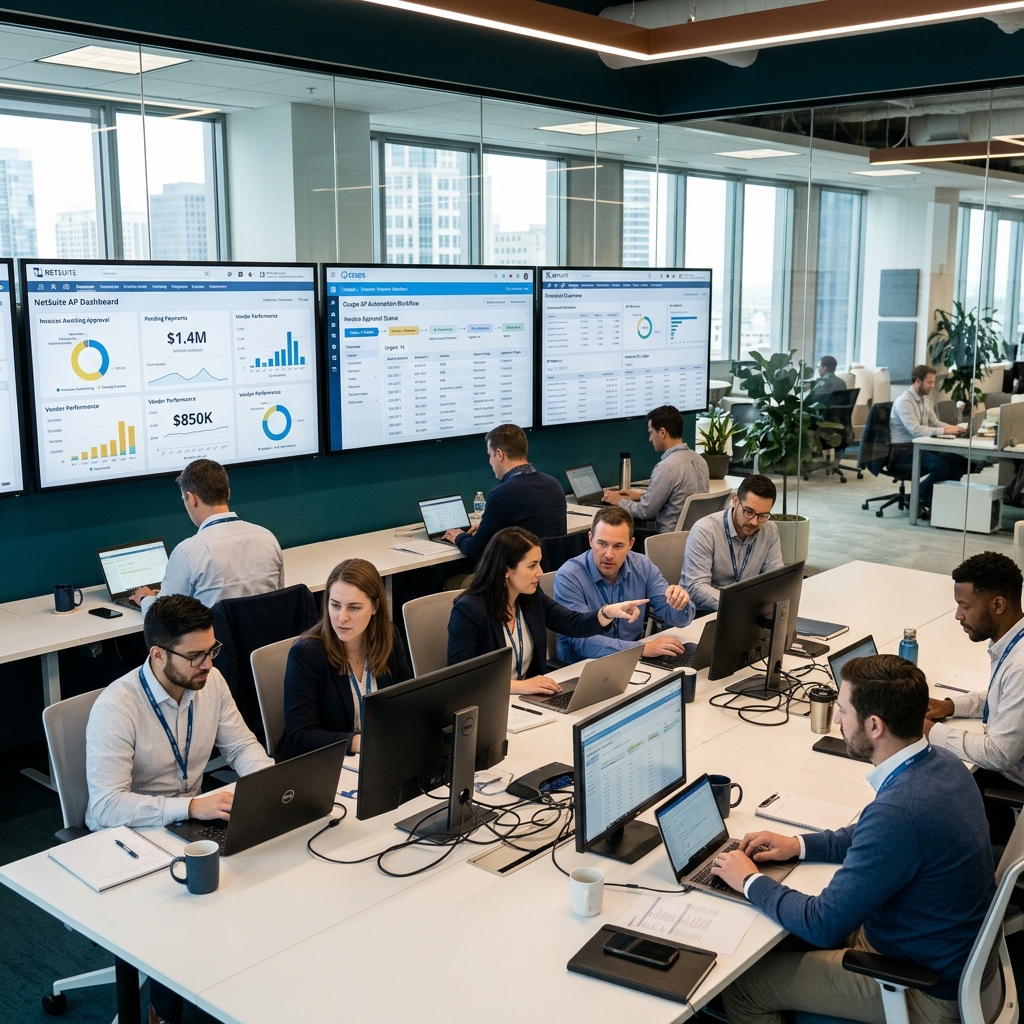
A top-20 management consulting firm used AI-driven time capture and T&E compliance to recover $1.8M in previously unbilled client hours and drive 97% expense policy compliance — in just 60 days.
This top-20 management consulting firm employs 820 client-facing consultants across 14 countries. Every hour they work is billable — or should be. The reality was different.
Timesheets were submitted weekly by consultants via Workday, but manual review of time coding accuracy was sporadic. Analysis revealed that 6-8% of billable time was being coded to incorrect projects — sometimes to non-billable internal codes, sometimes to closed engagements, sometimes to the wrong client matter number. In an 820-person firm billing at an average of $350/hour, a 6% coding error rate translates to approximately $1.8M in annual revenue leakage.
The T&E situation was equally problematic. With 71% policy compliance, 29% of expense claims were being submitted with policy violations — missing receipts, out-of-policy hotels, meals exceeding per diem limits. Each violation required manual review, vendor follow-up, and sometimes employee confrontation. Finance was spending 3 days per week purely on T&E exception management.
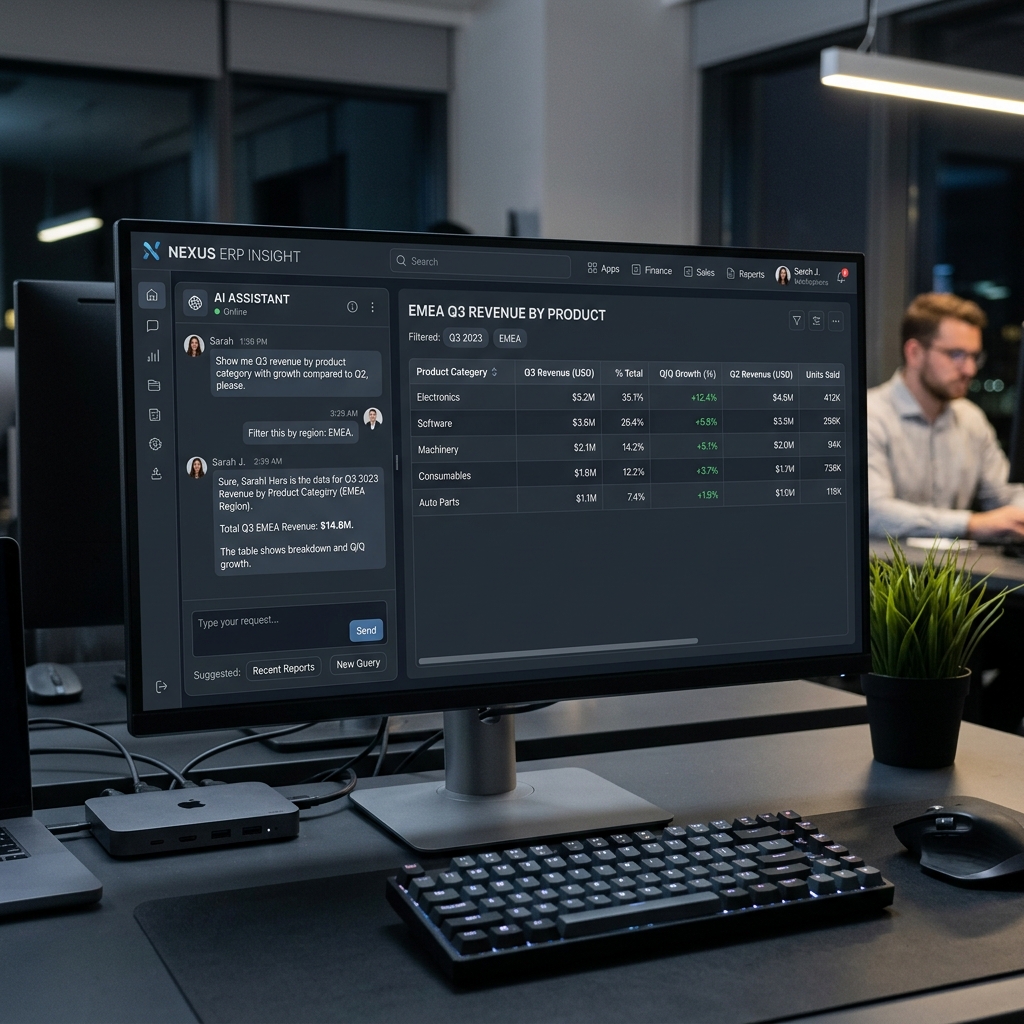
The foundation was a real-time integration layer between SAP (project accounting, client matters, billing) and Workday (time capture, HR, expense management). Every active project in SAP was mirrored into a structured knowledge base that the AI time intelligence engine could query in real time when evaluating timesheet entries.
The AI time intelligence engine was deployed to monitor timesheet submissions in real time. Using a combination of project history, consultant role, and engagement phase analysis, the system flagged potentially miscoded time entries before they were approved. Consultants received a Slack notification: "We noticed you coded 4 hours to [Matter X] — based on your active engagements, did you mean [Matter Y]?"
The T&E compliance engine was deployed to validate expense submissions in real time against the firm's global policy matrix — different per diem limits by city, hotel cap by market, meal policies by client type. Violations were flagged immediately with a plain-language explanation and a suggested correction, reducing the approval-rejection cycle from 9 days to hours.
With clean time and expense data, automated client invoice generation was activated. The system pulls billable time and approved expenses from the validation layer, applies client-specific billing rules from the SAP matter database, and generates draft invoices in the firm's standard format for partner review. Partners review and approve via mobile — invoice is dispatched the same day.
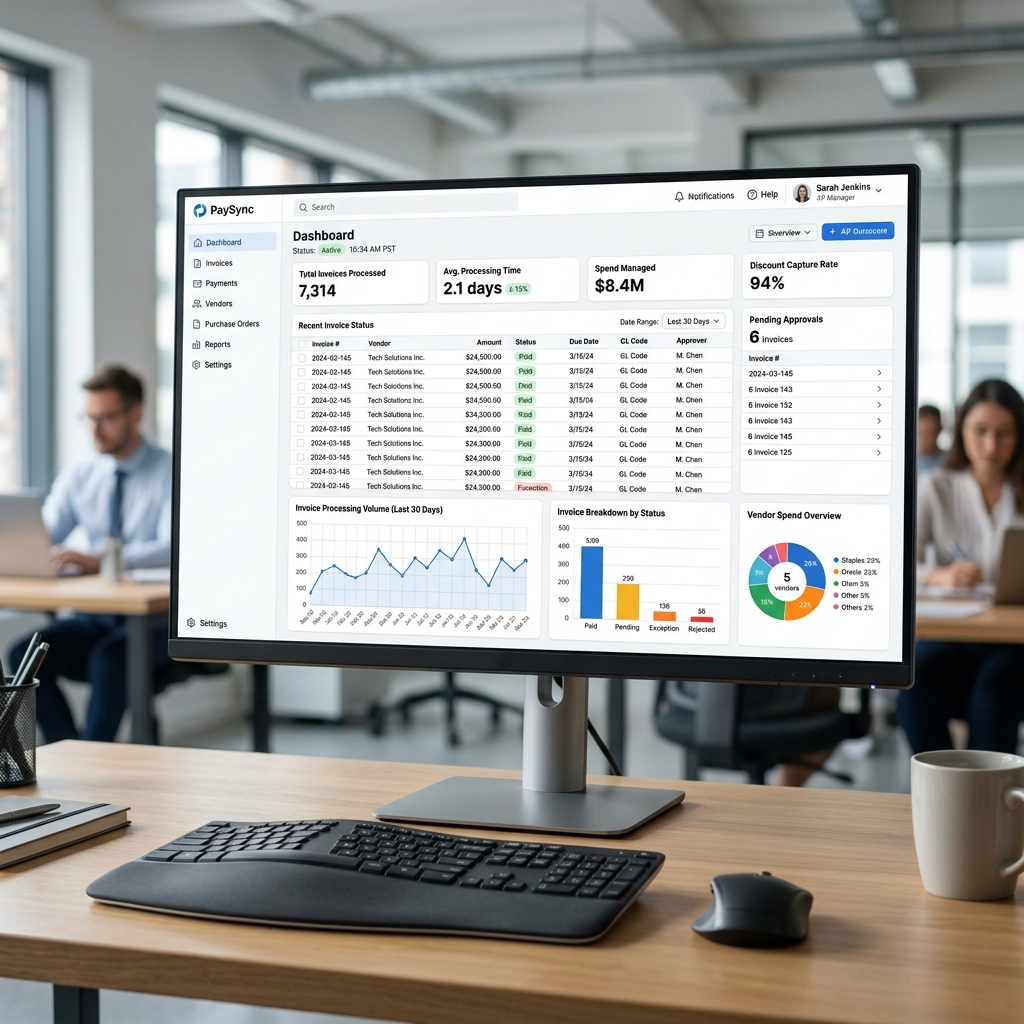
Continuous monitoring of Workday timesheet submissions against SAP project database. ML classification model trained on 18 months of historical time coding to identify anomalous coding patterns. Proactive Slack alerts for consultants before approval workflow.
Structured policy database covering 14 countries, 220+ cities with per diem tables, hotel caps, and meal limits. Automated policy validation on expense submission with plain-language violation explanations and suggested corrections.
Pull-through invoicing from validated time and expense data. Client billing rules from SAP applied automatically. Partner mobile approval workflow. Same-day invoice dispatch upon partner sign-off.
Real-time tracking of unbilled time at risk — consultants approaching deadline with incorrectly coded time highlighted for manager intervention.
The system paid for itself within the first 14 days of operation. By catching miscoded hours before the monthly billing cycle closed, the firm recovered an average of $150,000 per month in otherwise lost billable time.
The compliance improvement was equally impactful. By validating expenses at the moment of submission rather than days later, the T&E rejection rate dropped by 92%. The finance team was able to reassign two full-time analysts from expense policing to FP&A roles.
"Consultants hate tracking time and expenses. By making the AI proactive — catching them on Slack at the moment they make an error — we removed the friction. We recovered $1.8M in revenue that was literally walking out the door every year just because of bad data entry."